LUMINEERS BY CERINATE is a terrific cosmetic solution for permanently stained, chipped, discolored, or misaligned teeth, or even to revitalize old crown and bridgework. LUMINEERS BY CERINATE is a porcelain veneer that can be made as thin as a contact lens and is placed over existing teeth. Unlike traditional veneers, they do not require painful removal of sensitive tooth structure.
Dentists apply these contact lens-thin “smile shapers” to teeth without any grinding or shaving, and transform misshapen, worn teeth into a naturally beautiful smile. LUMINEERS can even be placed on porcelain bridgework and crowns with the new Revitalize Kit, available from your dentist. LUMINEERS BY CERINATE provides the best of both worlds – they are ultra-thin, yet super strong for a radiant smile that resists any cracking that can damage restorations. LUMINEERS are completely reversible. Get your perfect smile today!
Tuesday, June 15, 2010

Monday, May 17, 2010
The Nitty Gritty with Flossing
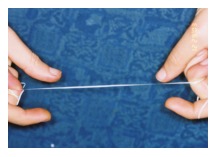
The surfaces that are between teeth are not accessible to brush; therefore, the best way to clean them is by flossing. The frequency of flossing is like brushing and ideally after each meal, though one time a day (before going to bed) is the minimum necessary.

Call Dr. Kalantari today for an appointment! 678.275.2066
Thursday, April 29, 2010
Feeling Some Pain?
TMJ is the joint that connects the lower and upper jaw. The term TMJ stands for Temporo-mandibular Joint. This is one of the most complex joints in the entire body, capable of forward and backward movement, rotations, and side-to-side movements. TMJ often refers to complications and problems with this
If you experience any TMJ problems or symptoms please let us know. Dr. Kalantari will be happy to evaluate your situation and offer the best treatment possible.
joint. Some of the most common symptoms of TMJ problems are: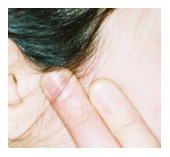
- Pain
- Limited movement of the lower jaw
- Clicking sounds
- Muscle spasms
- Locking of the jaw
If you experience any TMJ problems or symptoms please let us know. Dr. Kalantari will be happy to evaluate your situation and offer the best treatment possible.
Wednesday, March 17, 2010
Dieting to Prevent Cavities
Sugar is the main cause of dental decay when there are bacteria present. More significant than the amount of sugar you eat is the frequency of consumption.
It is important to be aware of all the sources of sugar that are out there. It is not just everything that is sweet, but anything that can turn to sugar like pieces of bread. Cutting down your sugar intake is good for cavity prevention, as well as your general health.
But what about when you have to have sugar? The best way to avoid cavities is to prevent the sugar from staying next to your teeth. Brushing after eating sugar, rinsing your mouth with Fluoride mouth wash, or chewing sugarless gum can help. However, nothing has the effect of avoiding sugar!
Is there any kind of food that prevents tooth decay? Well, not really. Some people believed that chewing foods like apples and carrots may have some plaque removal effect, but they still contain some sugar so any advantage is not clear.
Another group of food that causes significant damage to teeth structure isacidic foods. If in frequent contact with teeth, things like lime, lemon, and grapefruit can cause serious irreversible damage (erosion) to your teeth.Tuesday, February 23, 2010
In the case of Bad Breath..
There are a few different causes of bad breath. Ranging from stomach problems
to diets and teeth problems, most of the causes can be found in the mouth. They are:
- Tongue (when bacteria grows in between the papilla)
- Teeth cavities (especially when food particles get stuck in them)
- Gum diseases
- Extraction sites during healing
- Dentures when not cleaned properly
- Alcohol and tobacco
If you or someone you know is concerned about bad breath, the first step is a dental check up. Your dentist will be able to confirm or rule out the source of bad breath.
These are a few other, non-dental reasons that cause bad breath:
- Sore throat
- Tonsillitis
- Some food
- Infection of air passages
Following a good oral hygiene routine and receiving regular dental check ups are the best ways to prevent bad breath.
Monday, January 25, 2010
How to Brush Your Teeth
The first step is to choose a good toothbrush. You always want to use a soft
brush with a small head. A soft brush is hard enough to remove plaque, yet
gentle enough not to damage your teeth or gums.


The next issue is to select good toothpaste. In general, any toothpaste that
contains Fluoride will do the job, unless you have special needs that are
determined by your dentist. Two of the best brands of toothpastes are Colgate
Total and Crest Multicare.
The first rule of brushing is to start from a specific location and work your
way to the opposite side, continuing all the way through the whole mouth so that
you end where you started. This way you won't miss any area. Usually a pea-sized
amount of toothpaste is enough. An adequate brushing should at least take 2
minutes and preferably around 4 minutes.
There are a variety of techniques for brushing your teeth, but one of the
most popular ones is described here:
Hold the brush at a 45 degree angle toward the teeth and gums. Gently press
against the gums so the tips of the bristles go in between the gum and the
teeth. Then apply a few lateral strokes and roll down the brush to sweep the
plaque away from the teeth and the gum. Repeat this motion 6 to 10 times and
move on to the next area of 2 to 3 teeth. If your mouth is full of foam, spit
out and continue brushing. Your brushing is completed when you have brushed all
the surfaces of your teeth, not when your mouth is full! On chewing surfaces,
short strokes work best to get the plaque out of the grooves and pits. When
brushing the back side of your front teeth, hold your brush vertically to be
able to reach the teeth better.
As far as frequency of brushing is concerned, ideally you want to brush your
teeth after each meal. But if you can’t, brush at least twice a day- after
breakfast and before going to bed.
Subscribe to:
Posts (Atom)
